
Proper post-workout recovery is crucial for maximizing the benefits of your exercise routine and preventing injuries. Whether you’re a seasoned athlete or a fitness enthusiast, incorporating effective recovery practices can enhance your performance and overall well-being. In this article, we’ll explore the best post-workout recovery practices to help you achieve optimal muscle recovery and maintain a healthy fitness regimen.
Why Recovery is Important
Recovery allows your muscles to repair, rebuild, and strengthen. It also helps in replenishing energy stores and reducing the risk of injuries. Neglecting recovery can lead to overtraining, fatigue, and decreased performance.
Best Post-Workout Recovery Practices
1. Cool Down Properly
After an intense workout, it’s essential to cool down. A proper cool-down helps gradually lower your heart rate and prevent muscle stiffness.
Tips:
- Light Cardio: Engage in 5-10 minutes of light cardio such as walking or jogging.
- Stretching: Perform static stretches focusing on the muscles you worked during your exercise.
2. Hydrate
Hydration is key to recovery. Water helps in transporting nutrients to your muscles and removing waste products.
Tips:
- Drink Water: Ensure you drink plenty of water immediately after your workout.
- Electrolytes: Consider electrolyte-rich drinks if you had an intense or prolonged session.
3. Nutrition and Refueling
What you eat post-workout significantly impacts your recovery. Consuming the right nutrients helps repair muscle tissues and replenish glycogen stores.
Tips:
- Protein: Consume protein-rich foods or shakes to support muscle repair.
- Carbohydrates: Include carbohydrates to restore glycogen levels.
- Healthy Fats: Incorporate healthy fats to aid in overall recovery.
4. Rest and Sleep
Rest is crucial for muscle recovery. Quality sleep allows your body to repair and grow muscle tissues.
Tips:
- Sleep 7-9 Hours: Aim for 7-9 hours of sleep per night.
- Power Naps: Consider short naps during the day if you feel fatigued.
5. Foam Rolling and Massage
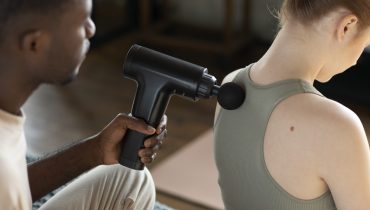
Foam rolling and massages can help reduce muscle soreness and improve blood flow to the muscles.
Tips:
- Foam Rolling: Use a foam roller to target tight and sore muscles.
- Professional Massage: Schedule regular massages for deeper muscle relaxation.
6. Active Recovery
Active recovery involves engaging in low-intensity exercises on rest days to promote blood flow and reduce muscle stiffness.
Tips:
- Light Activities: Engage in activities like walking, swimming, or yoga.
- Consistency: Incorporate active recovery regularly into your routine.
7. Compression Garments
Wearing compression garments can help reduce muscle swelling and soreness.
Tips:
- Compression Socks: Use compression socks or sleeves after workouts.
- Timing: Wear them for a few hours post-exercise for best results.
8. Ice Baths and Contrast Showers
Cold therapy can reduce inflammation and muscle soreness.
Tips:
- Ice Baths: Take ice baths for 10-15 minutes after intense workouts.
- Contrast Showers: Alternate between hot and cold showers to stimulate blood flow.
9. Listen to Your Body
Pay attention to how your body feels and adjust your recovery practices accordingly.
Tips:
- Rest When Needed: If you feel overly fatigued or sore, allow more time for rest.
- Monitor Progress: Keep track of your recovery and make changes as needed.
Conclusion
Incorporating these post-workout recovery practices into your routine can significantly enhance your muscle recovery and overall fitness progress. Remember, recovery is just as important as the workout itself. By cooling down properly, hydrating, eating the right nutrients, getting enough rest, and using recovery tools like foam rollers and compression garments, you can ensure that your body is ready for the next workout session.